01
Iceland and Poland
Baseline attitudes toward money, saving, and financial security in Icelandic and Polish societies - the reference point against which the other two groups are compared.
A study of how migration between countries reshapes how people understand money, save it, and give it meaning.
To answer these questions, the project examines attitudes toward money among the general populations of Iceland and Poland, Polish migrants living in Iceland, and second-generation Poles raised in Iceland. Comparing these groups makes it possible to trace how the meaning attached to money changes through migration.
Combining quantitative surveys with qualitative interviews, a team of economists and anthropologists in both countries examines how money is embedded in social life: in families, savings and remittances, expectations and obligations. The aim is to understand not only how much people save, but also what money means to them and how that meaning changes as people, goods, ideas, and financial services move across borders.
Baseline attitudes toward money, saving, and financial security in Icelandic and Polish societies - the reference point against which the other two groups are compared.
How the meaning of money and the way it is managed change for people who have moved from Poland to Iceland and navigate two financial cultures at once.
First generationHow second-generation Poles raised in Iceland understand, value, and talk about money - and which attitudes are carried forward from their parents.
Second generationPeer-reviewed articles, working papers, datasets, and conference presentations produced by the project will be listed here as they are published. Each entry will link to the full text or DOI.
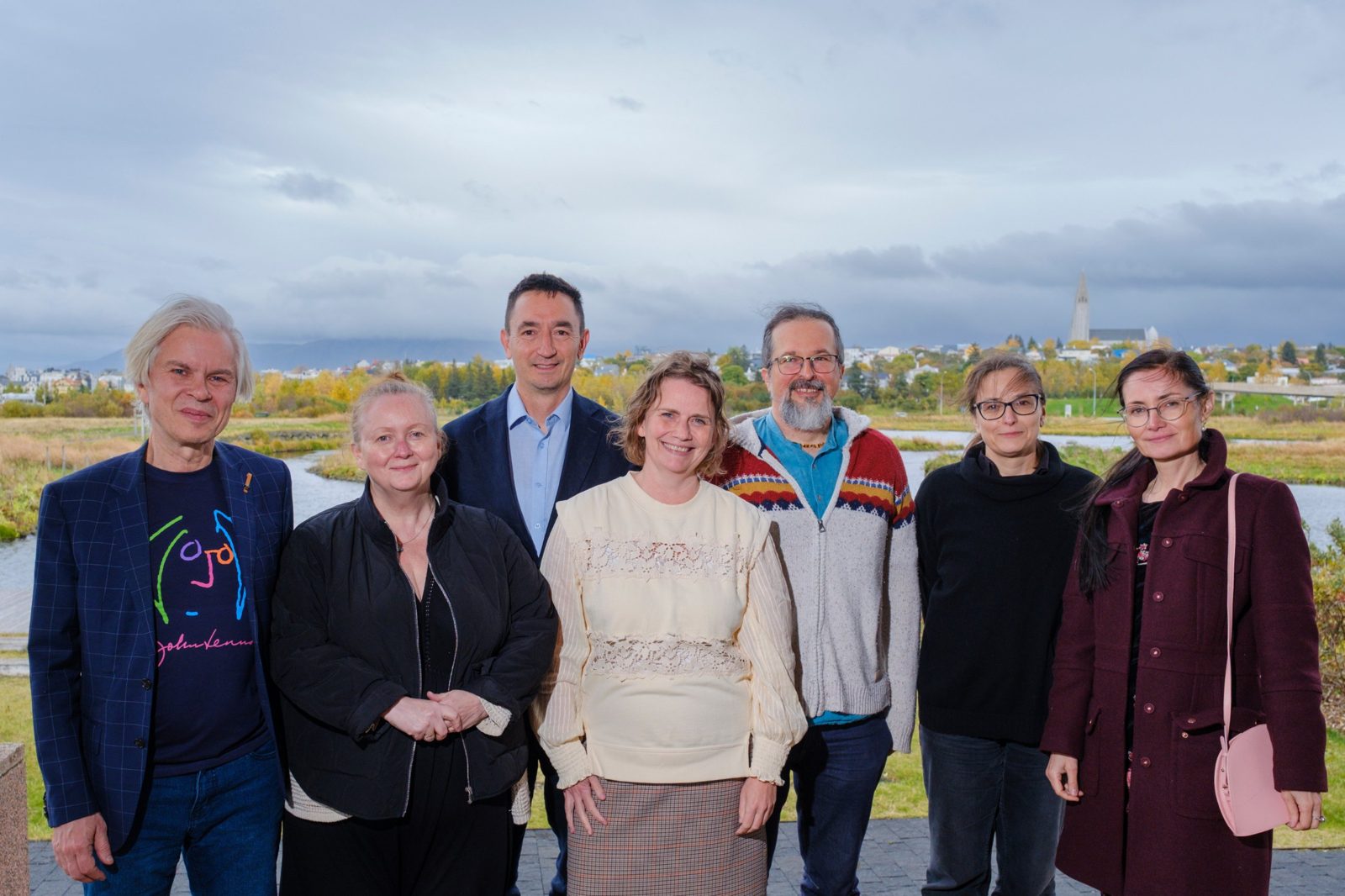
On 28th-29th September the project team had a two day work-meeting in Reykjavík. This was concluded with an open event at the Nordic House on 29th September, introducing the project to the public.
The meeting was fruitful as the project team shared the data that has been collected by different team members and started the discussion on analysis and writing.
Our next steps will be participation by Már Wolfgang Mixa, Anna Maria Wojtynska and Guðrún Sif Friðriksdóttir at Þjóðarspegillinn, the Annual Conference of Social Sciences at the University of Iceland. We look forward to continuing the work and meeting again in Poznan, Poland in spring/summer 2027.